The Aviator game has redefined online gambling with its fast-paced crash mechanics and simple, addictive gameplay. As someone who has helped operators build apps like Aviator, I have seen firsthand how this model delivers high engagement, scalability, and retention at a relatively low cost.
But replicating Aviator’s success is not just about copying its UI. You need a solid backend for real-time betting, airtight security systems, and a design that balances risk, reward, and trust.
In this blog, I will break down the process of Aviator betting game clone development, from planning and features to costs, with practical insights drawn from real projects.
An Aviator app is a real-time crash-style betting game where a plane takes off, and the multiplier rises until it suddenly crashes. Players must cash out before that happens. These types of games are driven by a mix of timing, thrill, and risk that keeps the engagement high.
Unlike traditional slots or Roulette, Aviator games rely on transparency and instant feedback. Players see live multipliers, other users’ bets, and leaderboards in real-time. This social, high-energy setup gives it a competitive edge in today’s online casino landscape.
For operators, the appeal is obvious. Low entry barriers, fast gameplay, and high retention make it a must-have for your iGaming platform library. With the right technology stack and a fair RNG system, Aviator-style mobile game development can bring consistent player engagement while keeping maintenance costs manageable.
Market Potential of the Aviator Game
The Aviator game has exploded in popularity across major iGaming markets, especially in the USA, Europe, and Latin America, because it delivers exactly what modern players want: simplicity, speed, and excitement. Unlike traditional casino games, Aviator fits perfectly into short user sessions, making it ideal for mobile-first audiences. From a business perspective, the numbers speak for themselves. The global online iGaming market is projected to grow at a CAGR of 11.7% by 2030, and crash games like Aviator are among the fastest-growing genres within it. For operators, this means a proven, scalable model that blends entertainment with real-time monetization.
Key Market Benefits for Operators
High ROI: Low development costs with massive earning potential through wagers, ads, and in-game events.
Wide Appeal: Attracts both casual mobile gamers and serious bettors
Stronger Retention: Gamified features like leaderboards, live chats, and loyalty programs drive repeat play.
Investing in Aviator betting game clone development is not just a creative decision; it is a smart business move. With the right execution, it can become a long-term revenue driver for your gaming platform.
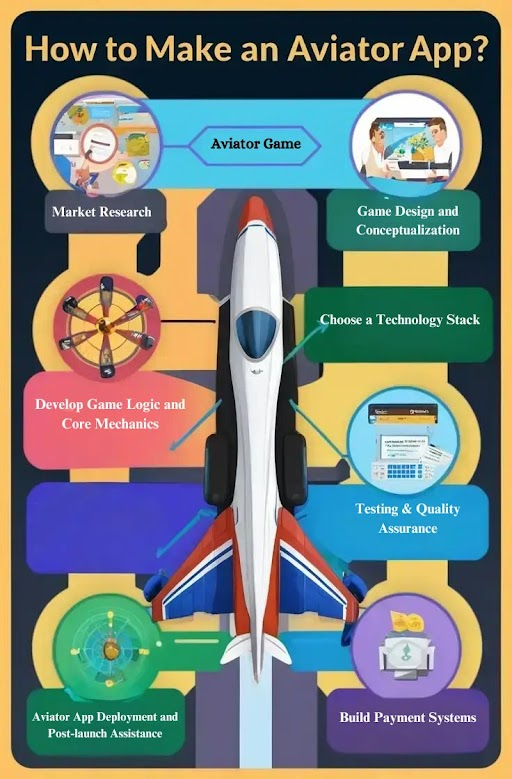
How to Make an Aviator App? Step-by-Step Guide
Before jumping into development, you need a clear understanding of how the Aviator game works, what your audience expects, and how to stay compliant with international iGaming laws. Let’s break down the process step-by-step.
Step 1: Market Research
Every great iGaming product begins with data. Before writing a single line of code, it is crucial to research your target audience, regional regulations, and competitor landscape.
Understand Player Behavior: What motivates your audience? Thrill, strategy, or instant wins? Use analytics tools and focus groups to identify betting patterns and session durations.
Study Competitors: Analyze popular Aviator-style apps to identify feature gaps and user pain points. Learn from their UI/UX, crash algorithms, and monetization models.
Evaluate Compliance Requirements: Regulations differ by region. Ensure you meet the legal standards for real-money gaming in your target market.
From my experience, solid research saves you from overspending on unnecessary features and helps position your Aviator app for maximum retention and profitability.
Step 2: Game Design and Conceptualization
Once you’ve mapped your audience and competition, the next step is designing an Aviator game that’s visually clean, intuitive, and emotionally engaging. The magic of Aviator lies in its simplicity, so it is better to avoid overcomplex designs.
A successful Aviator-style mobile game design should focus on three core pillars:
Simplicity in interface: Keep the UI minimal. A clean betting panel, a visible multiplier graph, and clear cash-out options. Avoid clutter that distracts players from the main action.
Immersive Experiences: Use smooth animations, subtle sound cues, and responsive feedback loops. A slight vibration or audio cue when the plane is about to crash can heighten excitement.
Gamified Social Elements: Integrate live leaderboards, chat boxes, and achievements to drive engagement and competition among players.
During the wireframing phase, tools like Figma or Adobe XD help visualize the betting flow and user interactions before you commit to coding.
Step 3: Choose a Technology Stack
Choosing the right technology stack is critical to ensure your Aviator game runs smoothly in real time while supporting secure payments and analytics. The stack you select also affects scalability, development speed, and long-term maintenance costs. For a cross-platform Aviator app, here’s a recommended tech stack:
The backend is the heartbeat of your Aviator game. I have seen projects fail when developers underestimate the load from simultaneous players. Prioritize a stack that can handle spikes and real-time calculations seamlessly.
A carefully chosen stack not only boosts performance but also makes it easier to integrate future features like analytics dashboard, multi-bets, or tournament modes.
Step 4: Develop Game Logic and Core Mechanics
The core of any Aviator app is its game logic, the multiplier system, cash-out timing, and risk-reward balance. A well-coded backend ensures fairness, reliability, and a thrilling experience for players. Key considerations for an aviator betting game clone development include:
Dynamic Multiplier Algorithm: Create a formula that determines multiplier growth and crash timing. It should feel unpredictable yet fair, balancing excitement with player trust.
Random Number Generator (RNG): Integrate a certified RNG to ensure unbiased outcomes. Fairness is non-negotiable in real-money gaming and builds long-term credibility.
Real-time Cash Out: Ensure that players’ bets and cash-outs update instantly on the UI without lag, even during high traffic.
Multi-Bet and Auto Cash-out Options: Offering strategic play options increases engagement and retention.
Step 5: Build Payment Systems
A smooth, secure payment system is essential for any Aviator-style mobile game. Players expect fast deposits, instant withdrawals, and multiple payment options. Anything less can lead to player drop-offs. Key considerations include:
Multiple Payment Options: Integrate popular gateways like PayPal, Stripe, Skrill, Neteller, and crypto wallets to cater to a global audience.
Multi-currency Support: Offer major currencies (USD, EUR, GBP) and crypto options to attract tech-savvy players.
Instant Withdrawals: Speed is crucial. Delayed payouts can damage trust and retention.
Security Measures: Implement SSL encryption, PCI DSS compliance, and fraud detection systems to protect sensitive user data.
Transparent Transactions: Show transaction history, pending bets, and withdrawal statuses clearly to build trust.
I have seen operators lose players even with a great game because of slow and unreliable payments. Prioritize a backend for a real-time betting game app that handles high-volume transactions efficiently.
Step 6: Testing & Quality Assurance
Even the best Aviator game can fail if it’s buggy or unstable. Rigorous testing and quality assurance ensure a seamless player experience and protect your reputation as an operator. Key testing areas for an Aviator app include:
Unit Testing: Verify that individual features like multiplier calculations, cash-out buttons, and leaderboards work correctly.
Integration Testing: Ensure all components, like payment systems, game logic, and real-time updates, communicate flawlessly.
End-to-End Testing: Simulate full gameplay sessions to catch potential crashes or lag issues under real-world conditions.
Load Testing: Test the app under high traffic to ensure stability during peak betting periods.
Security Testing: Identify vulnerabilities in payments, user data, and backend processes.
Thorough QA not only prevents revenue loss from bugs but also strengthens player trust, which is crucial for Aviator game app success.
Step 7: Aviator App Deployment and Post-launch Assistance
Deploying your Aviator app is more than just publishing it on app stores; it is about ensuring a smooth launch and ongoing player engagement.
Deployment Tips:
Submit your game to the Google Play Store and Apple App Store, ensuring compliance with their policies.
Double-check iGaming regulations in your target markets to avoid legal issues.
Prepare a multi-channel marketing strategy to generate initial traction
Post-launch Maintenance:
Roll out new features, bug-fixes, and seasonal events to keep players engaged.
Track server performance, payment flows, and player activity to quickly address issues
Collect reviews and in-game feedback to improve UX and retention
The game launch is not the finish line; it’s the beginning. Continuous updates and attentive post-launch support are what turn a good Aviator app into a long-term revenue driver.res keep players engaged and attract new audiences.
Essential Features of a Successful Aviator Game
Integrating game-enhancing features is crucial for the success of the Aviator game. These features significantly enhance the gaming experience, ensuring the success and profitability of the app.
Feature
Description
Dynamic Crash Multiplier
Real-time multiplier growth with unpredictable crash points.
Auto Cash-out & Multi-Bet
Options to automate cash-outs or place multiple bets simultaneously.
User-Friendly Interface
Clean, responsive UI with smooth animations across devices.
Social Gaming Features
Leaderboards, live chat, and social media integration.
RNG & Fair Play
Certified Random Number Generator for unbiased outcomes.
Multi-Currency & Crypto Support
Accepts USD, EUR, GBP, and popular cryptocurrencies.
SSL encryption, PCI DSS compliance, and fraud detection.
Push Notifications & Updates
Alerts for events, tournaments, and new features.
As an operator, you should prioritize features that enhance engagement and trust. These are directly correlated with higher revenue in apps like Aviator.
Cost of Making an App Like the Aviator
One of the biggest questions operators ask is “How much does it cost to build an Aviator-style game?” The truth is, development cost varies based on several critical factors. Here are the key factors that influence cost:
Game Complexity: Multi-bet options, auto cash-out, leaderboards, and gamification increase development time and cost.
Design & UI/UX: High-quality graphics, animations, and responsive interfaces require more investment.
Technology Stack: Advanced engines like Unity or Unreal improve performance but can raise costs.
Integration Requirements: Payment gateways, real-time multiplier logic, and analytics tools add to the budget.
Regulatory Compliance: Licensing and legal adherence in markets like the USA impact costs.
Team Expertise: Hiring experienced developers, designers, and testers affects pricing; outsourcing can reduce costs.
On average, developing a basic Aviator app with essential functionalities costs around $20,000 to $50,000. A fully-featured, scalable version may go higher depending on design sophistication and backend capabilities.
If you want a detailed cost breakdown, you can check out our in-depth Aviator cost guide.
Estimated Timeline of Developing an Aviator App
Development Phase
Task Overview
Estimated Duration
1. Concept Planning
Defining gameplay logic, features, and target audience
1 to 2 weeks
2. UI/UX Design
Wireframes, interface design, and motion prototypes
2 to 3 weeks
3. Core Development
Game engine setup, real-time crash algorithm, multiplayer system
Bug testing, security checks, and load performance testing
2 weeks
6. Deployment & Support
App store submission, monitoring, and maintenance setup
1 to 2 weeks
On average, it takes around 4 to 6 months to develop an Aviator game, depending on app complexity and team size.
Benefits of Developing an App Like Aviator
Developing an Aviator-style app is not just about replicating a trending game; it is about entering a profitable and scalable gaming model that continues to dominate the real-money gaming ecosystem.
High Player Engagement and Retention
Aviator’s simple yet suspense-driven multiplier system keeps users hooked for long sessions. The constant thrill of predicting when to “cash out” fosters replayability and sustained engagement, two critical success factors in mobile gaming.
Low Development Risk, High ROI
Unlike complex iGaming titles, Aviator-style games require a smaller team and shorter development cycles. This translates to lower initial costs but higher profit margins, especially when paired with viral marketing and referral incentives.
Scalable and Cross-platform Reach
Aviator games are built to perform seamlessly across Android, iOS, and web platforms. This cross-platform accessibility helps operators reach a global audience without rebuilding the core logic for each platform.
Strong Monetization Potential
With multiple revenue streams like entry fees, in-app purchases, and affiliate programs, Aviator apps ensure consistent earnings. Integrating crypto payment gateways can also attract Web3 gamers and high-value bettors.
Easy Customization and Branding
Developers can easily tailor the game’s visuals, multiplier patterns, and theme to fit your brand identity. Whether you want a futuristic cockpit vibe or a minimalist crash display, the flexibility supports creative differentiation.
Viral Social Gameplay
Aviator’s real-time multiplayer environment, leaderboards, and chat systems promote social competitiveness. This turns every session into a community-driven experience. This virality helps with organic user acquisition and brand growth.
Final Words
Developing an Aviator app is not just about building a crash game; it is about creating a reliable, fast, and fair gaming experience that keeps players coming back. From concept design to post-launch support, every stage demands expert precision, compliance awareness, and deep market understanding. If you are planning to build your own Aviator-style game, partner with a trusted Aviator game development company like BR Softech. With years of experience in crash game design and RNG-backed fairness models, we help you launch and scale profit-driven gaming platforms across global markets.
Frequently Asked Questions(FAQs)
How much does it cost to develop an Aviator-style game app?
The cost to develop an Aviator game app typically ranges between $20,000 to $50,000, depending on game complexity, features, UI design, and platform support. Custom animations, multiplayer logic, and secure payment integrations can increase the overall costs.
How long does it take to build an Aviator game?
Developing a fully functional Aviator app generally takes 10 to 16 weeks. This includes research, UI/UX design, development, QA testing, deployment, and post-launch optimization.
Which technologies are used in Aviator game development?
Most Aviator-style crash games are built using Unity or Unreal Engine for gameplay, Node.js or PHP for backend, and MySQL for database management. Integrations for RNG systems, wallets, and real-time analytics ensure fairness and performance.
Is it legal to launch an Aviator-style game app?
Legality depends on your target region. In regulated markets, you will need gaming licenses and compliance certificates to operate legally. A professional Aviator game developer can guide you through the licensing and legal process.
Can I customize the design and mechanics of my Aviator app?
Yes. You can fully customize your Aviator game’s UI, bet systems, crash multiplier behavior, and branding to suit your business goals. Developers can even add gamified elements like leaderboards, referral bonuses, and tournaments.
Nitin Garg is a seasoned tech entrepreneur and the visionary founder of BR Softech, a globally recognized leader in game development. With over 13 years of industry experience, he has been instrumental in transforming BR Softech into a powerhouse of innovation, offering cutting-edge solutions in Video Games, Blockchain Games, NFT Game Development, and card games like Poker, Rummy, and Teen Patti.
Nitin’s deep expertise in emerging technologies, combined with a sharp business acumen, has helped position BR Softech as a trusted name in the international gaming arena. Under his leadership, BR Softech has built a global clientele of 3,000+ satisfied customers and scaled a dedicated in-house team of 180+ skilled professionals.